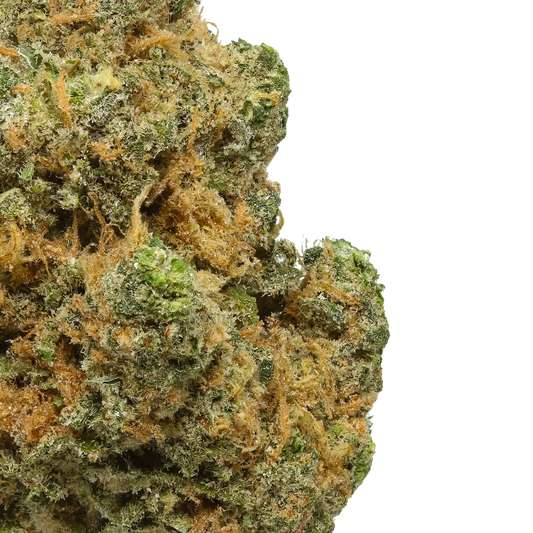
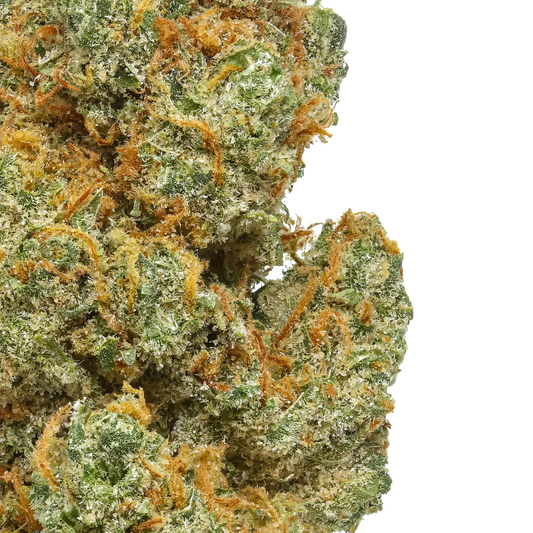
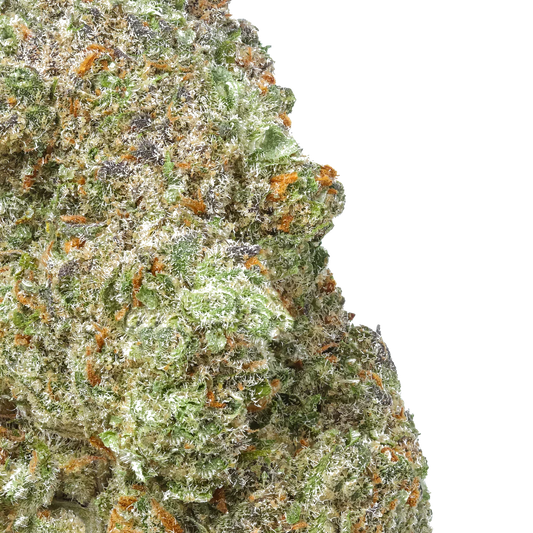
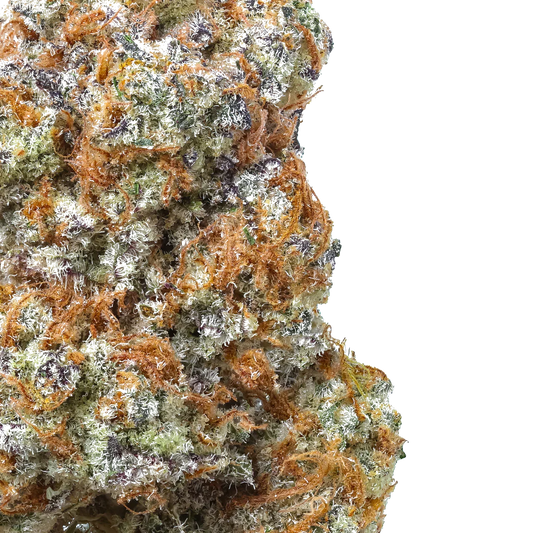
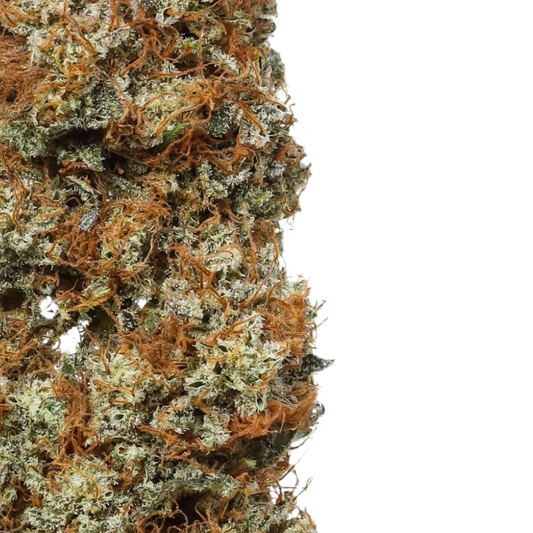
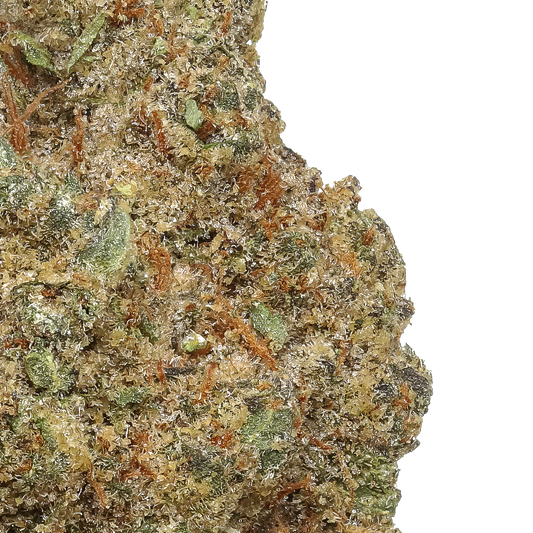
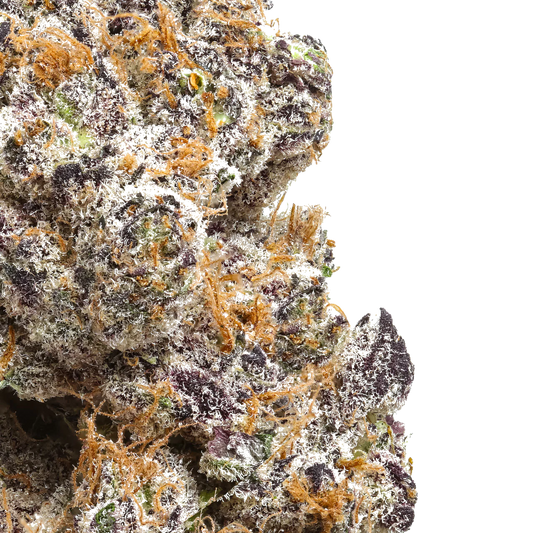
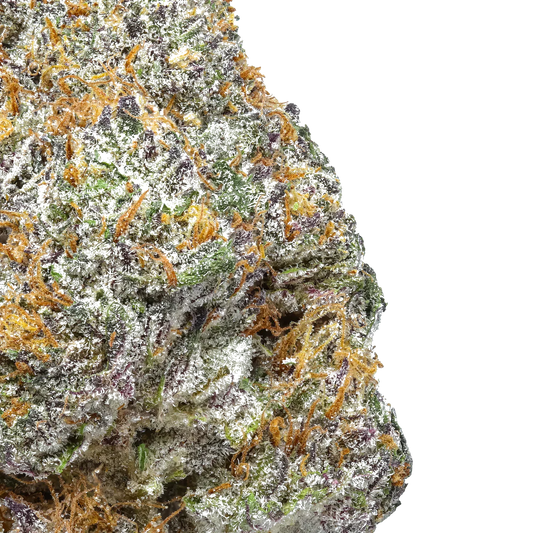
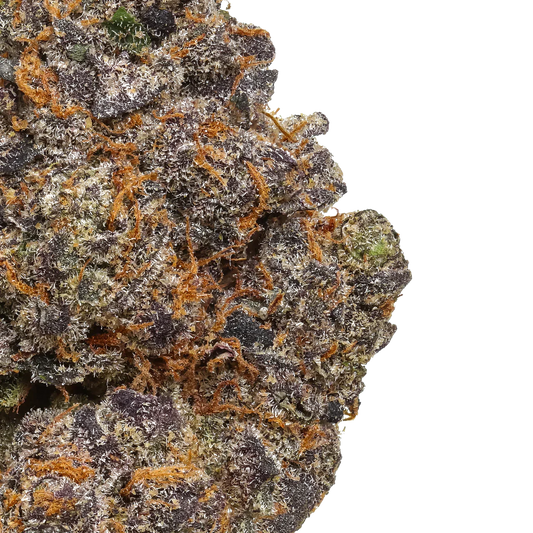
Every strain we grow, on one shelf
This is the whole flower menu: every live strain across all four chemotypes, grown indoors in East Tennessee, dried slow and cold for fourteen days, hand trimmed, and shipped fresh with a certificate of analysis on every batch. If you already know what you're after, jump straight to a type: Type 1 (THCa), Type 2 (balanced), Type 3 (CBD) or Type 4 (CBG). If you don't, the next few sections are the shortest route to the right jar.
The four types, in one table
The type system is the most useful vocabulary a flower buyer can learn. It describes the chemistry rather than the marketing, and once you know which type suits you, the rest of the catalog makes sense.
TypeDominant cannabinoidTHC levelWhat customers describeWho it's forType 1THCaHigh — commonly low-to-mid 20s% THCaThe classic experienceExperienced smokers who want the real thing Type 2Both CBD and THCaMeaningful — usually around 2 parts CBD to 1 part THCaGentler, rounder, less edgeAnyone who finds Type 1 too much Type 3CBD1% or below total THCCalm, flavour and ritual, no highDaytime, work, THC-sensitive people Type 4CBGVirtually noneBright, alert, short-lived liftMornings, mixing into other flower
Our grower explains the whole system in his own words in the types explainer. The one-line version: Type 1 is almost all THC with a hint of CBD, Type 2 carries real amounts of both, Type 3 is the mirror image of Type 1, and Type 4 is CBG with virtually zero THC.
Why indoor matters, and why you can see it through the glass
Most hemp flower sold online is grown outdoors at field scale, machine trimmed, and warehoused for months before it reaches you. Indoor craft growing costs more for a reason: total control of light, climate and feeding produces dense structure, intact trichomes and terpenes that actually survive to the jar.
Flow Gardens runs on what growers call perpetual harvest. At our original facility there are five flower rooms and we harvest one every two weeks, which works out to roughly twenty-five harvests a year from a single building — against one, maybe two, for an outdoor field. Nothing sits waiting for a season. Our grower has worked this way since he was running a five-by-five hidden room in the nineties, timing clones so he never missed a beat.
The result is flower that has stood on competition podiums twelve times across seven competitions in five years, judged blind against the best in the country: first place and best overall at the 2022 High Times Hemp Cup, a full podium sweep of our 2024 Emerald Cup category, first place at the 2024 Oregon Growers Cup, and a 2025 medal at the Spannabis Champions Cup in Barcelona — Europe's biggest stage. The full case is in the Trophy Room.
From clone to jar: the actual process
There's no mystery to it, and no part of it we won't tell you about.
Mothers. Every plant starts as a cutting from a mother in our deep water culture room — forty-eight sites where the roots grow down into oxygenated water. Cuts go into rooting hormone and a plug under a humidity dome, and throw roots in eight to ten days.
Veg. Rooted cuts are transplanted into one-gallon coco bags — coconut coir in mixed chunk sizes, which is the medium that plant lives in for the rest of its life — and spend about two weeks on a flood tray growing to a foot, foot and a half.
Flower. They move into a flower room on carts and run fifty-five to sixty-five days.
Dry. Whole plants hang for fourteen days in a room held around 65°F and 55% humidity. Cold and slow is the entire point: the most volatile terpenes begin evaporating at room temperature, which is exactly how so much flower arrives smelling of nothing.
Finish. Buds are bucked off the stems, spread on mesh racks for two to three days, given one light machine pass, then held in turp-lock bags until a human hand trims them. From cutting the plant to the flower going live on this page is about four weeks.
How to choose a strain without guessing
Our grower's advice hasn't changed in twenty years, and it's three steps.
1. Start with your nose. Terpenes tell you most of what a strain will be like. Fruit-forward strains read sweet and bright; gas-leaning strains read sharper and heavier; cookie and cake strains read creamy and sweet with a funk underneath. Every product description here tells you the terpene character in plain words. When he's phenohunting, he rubs the sugar leaf beside a bud mid-flower and smells his fingers — that's how early the call gets made.
2. Check the COA. Headline numbers on a website are marketing. The certificate of analysis for the actual batch is evidence. Every batch's lab results are published in the COA library and linked from the product.
3. Read the reviews. We don't edit them. Five years of customers saying exactly what they think is a better guide than anything we could write about our own flower.
And if you want to know how a cup-winning grower judges quality in the first place — what separates top shelf from mids — the checklist is here. His short answer: smell first, then looks, then effects, and freshness underneath all three.
Strains people come here for
A few of the names that keep coming back, so you know where to start:
Chemtrails (Chem 91 × Kona Gold) — the grower's own daily driver, and the strain he describes as smelling like nineties weed: sweet, sour, funky, fruity and gassy all at once. Unusually, it holds its flavour for months after harvest, which almost nothing does.
Butterberry — a Type 2 that beat the whole country at the 2024 Emerald Cup. Smells like a strawberry peanut butter and jelly sandwich, bread note included, and finishes almost pink-purple. His favourite strain in the catalog.
Blue Cheese — one of the oldest strains on the farm, and the strain that won the 2022 High Times Hemp Cup outright: first in category and first overall. It medalled again at the 2024 Emerald Cup, entered as Blueberry Cough Drops. Think blueberry cheesecake with a funk to it.
Pablo's Pineapple — straight pineapple, which is genuinely hard to find in a cannabis plant. Dense, frosty and beautiful. One of the few we try to keep in stock permanently, and it still sells out.
BOB — short for Body Odor Berries, named exactly as honestly as it sounds. Pungent beyond reason, hits like a sativa, and people lost their minds over it.
Which format should you buy?
The same flower reaches you in several forms at quite different prices, and the right one depends on what you do with it.
FormatWhat it isBuy it ifJars (this collection)Full-size top-shelf budsYou want the best of a harvest, and you enjoy looking at it SmallsSmaller buds, same batch and same COAYou grind

 Few remaining

 Sale