Live rosin: the connoisseur's shelf
Live rosin starts with flower frozen within hours of harvest, washed into ice-water hash, then pressed — nothing touches it but water, ice and a press. It's what serious concentrate people reach for, because it's the closest an extract gets to tasting the living plant. The process is slow, the yields are honest, and drops here are always limited.
The word that matters is live. Ordinary rosin can be pressed from cured flower; live rosin can't, because the whole premise is skipping the drying stage where the volatile terpenes disappear. Some of them evaporate at temperatures as low as 70°F, which is why a live extract smells like the grow room and a cured one smells like a memory of it.
Why ours is different from most "live rosin" on the market
Most brands selling live rosin didn't grow the flower. They bought hash, or bought rosin, from an extractor who bought biomass. Every link in that chain is a place where the material got older and cheaper.
Ours comes out of our own rooms — the same indoor craft flower that has taken twelve competition podiums in five years, including an Emerald Cup clean sweep and a medal at Spannabis in Barcelona. We know the strain, the room, the harvest date and the grower. That's not marketing; it's the reason the flavour is there.
Reading a live rosin listing
Two things tell you what you're buying.
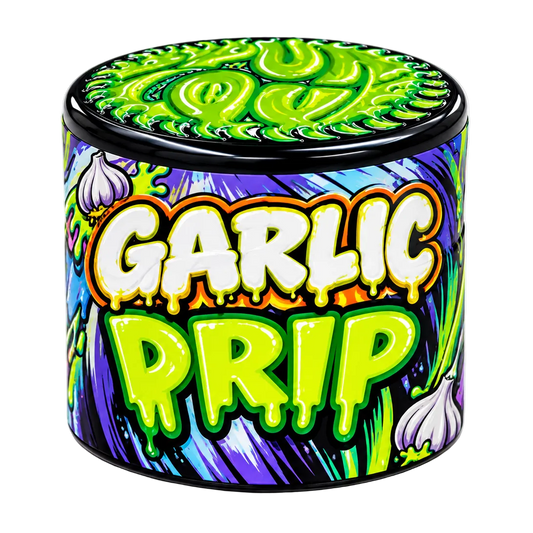
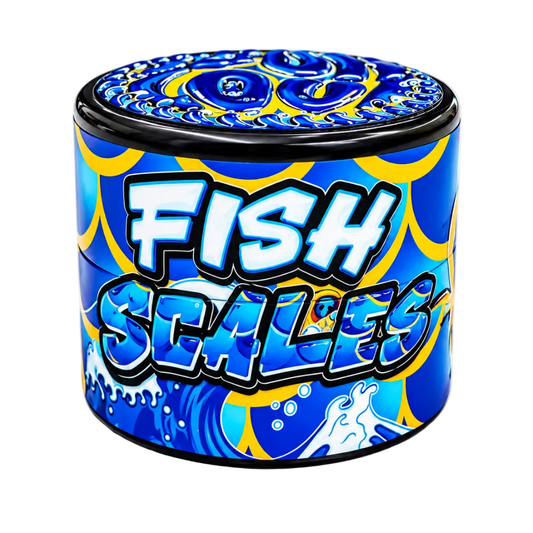
The strain. Rosin is intensely strain-expressive — far more than flower, because you're smoking a concentrated version of exactly what made that cultivar distinctive. A fruity cultivar makes fruity rosin. A gassy one makes gas. If you've liked a strain in our jars, you'll recognise it instantly in rosin form.
The COA. Exact cannabinoid numbers for the batch, published in the COA library. On solventless there's no residual solvent section to check, which is rather the point.
Texture — buttery, sandy, jam-like, separated in the jar — varies naturally between batches and says nothing about quality. It's a function of the strain's own chemistry, not of how well it was made.
How to get the most out of it
Low temperature, small dabs. Somewhere in the 480–550°F range; a glowing nail vaporises the cannabinoids fine and destroys everything you paid extra for. Start smaller than you think — this is the concentrated essence of flower that already smokes above its numbers.
Store it cold. Fridge, airtight, dark. Rosin rewards cold storage more than anything else we make, and punishes a warm shelf faster.
No rig? The same solventless extract fills our live rosin disposable pens, and some 510 carts.
From frozen plant to pressed rosin
Five stages, and quality can be lost at every one of them.
Freeze. The plant goes into the freezer within hours of being cut, before drying can take the volatile aromatics with it. This is what makes it live, and it can't be added later.
Wash. Frozen flower is agitated gently in ice water. The cold makes the trichome heads brittle so they snap off, and because they're denser than water they sink. Too aggressive and you tear plant material in with them; too gentle and you leave the good part behind.
Screen. The slurry runs through bags of descending mesh size, measured in microns. Different fractions collect at different sizes, and the intact, well-formed heads in the middle fractions are the ones that press into something worth selling. Not every fraction is worth pressing, and we don't pretend otherwise.
Dry. The collected hash has to be dried carefully. Water left in it ruins both the press and the flavour.
Press. Dried hash goes between heated plates under pressure, low and slow, and rosin flows out. Nothing added, nothing to purge.
The whole process is labour-intensive, the losses are real at each stage, and what survives is the reason people pay for it.
Why drops are small and irregular
Because the maths doesn't allow anything else. Solventless yields are modest, and our starting material isn't cheap biomass bought by the pound — it's our own indoor craft flower, material we could have sold in jars at a good price instead. Every gram of live rosin on this page represents flower we chose to wash rather than sell.
So there's no permanent stock level here and there never will be. Drops happen when a wash happens, they're announced to the mailing list first, and when a batch is gone it's gone until the next one. If that's frustrating, it's the same constraint that makes it worth buying.
Live rosin FAQ
What does "live" mean?
The flower was frozen fresh at harvest instead of dried first, locking in terpenes that normally vanish in processing. It's why live products taste like the plant smelled on cut day.
Live rosin vs live resin?
Rosin is solventless — ice, water and pressure. Live resin is solvent-extracted from the same fresh-frozen starting point, purged and verified on the COA. Rosin is rarer, made in smaller batches, and priced accordingly.
Live rosin vs hash rosin?
Both are pressed solventless hash. "Live" specifies that the starting flower was frozen fresh rather than cured first. Our hash rosin collection covers the wider solventless shelf.
How should I dab it?
Low temperature, small dabs. The whole point is the terpene profile — don't incinerate it. No rig? The same extract fills our rosin pens.
Why is it so limited?
Solventless yields are small and the material is our own craft flower rather than bought-in biomass. Each press is what it is; when a drop sells out, the next one waits on the next wash.
Does texture matter?
No. Buttery, jammy or sandy all come from the strain's own chemistry. Judge the strain, the COA and the nose.
Storage?
Fridge, airtight, dark. Rosin rewards cold storage more than anything else we make.
Will it show on a drug test?
Yes — concentrated THCa. Treat it exactly like cannabis.
How do I know it's single-source?
Because the people selling it grew the flower. Ask any rosin brand which farm and which harvest their material came from; we can tell you the room. Each listing names the strain, and the batch COA is in the COA library.
Does it need to stay in the fridge?
For anything beyond short-term use, yes. Rosin degrades faster at room temperature than any other product we sell — there's no plant matter left to shelter the terpenes. Cold, dark and airtight is the answer.
How small a dab should I take?
Smaller than you think — start around the size of a grain of rice. Full-spectrum solventless satisfies in far smaller amounts than people expect, and overdoing it mostly wastes flavour.
Why does the price vary between drops?
Different strains wash differently and yield differently, and some produce far less usable rosin per pound of flower than others. The price follows the yield rather than the marketing.