

THCA and the New Total THC Rule, Explained by a Grower
If you've bought THCA flower in the last few years, you've benefited from a quirk in how the law measured hemp. That quirk is closing. Here's what's actually changing, when, and what it means for the flower in your jar, explained without panic and without legalese, from a farm that's been breeding for this moment for years.
The old math and the new math
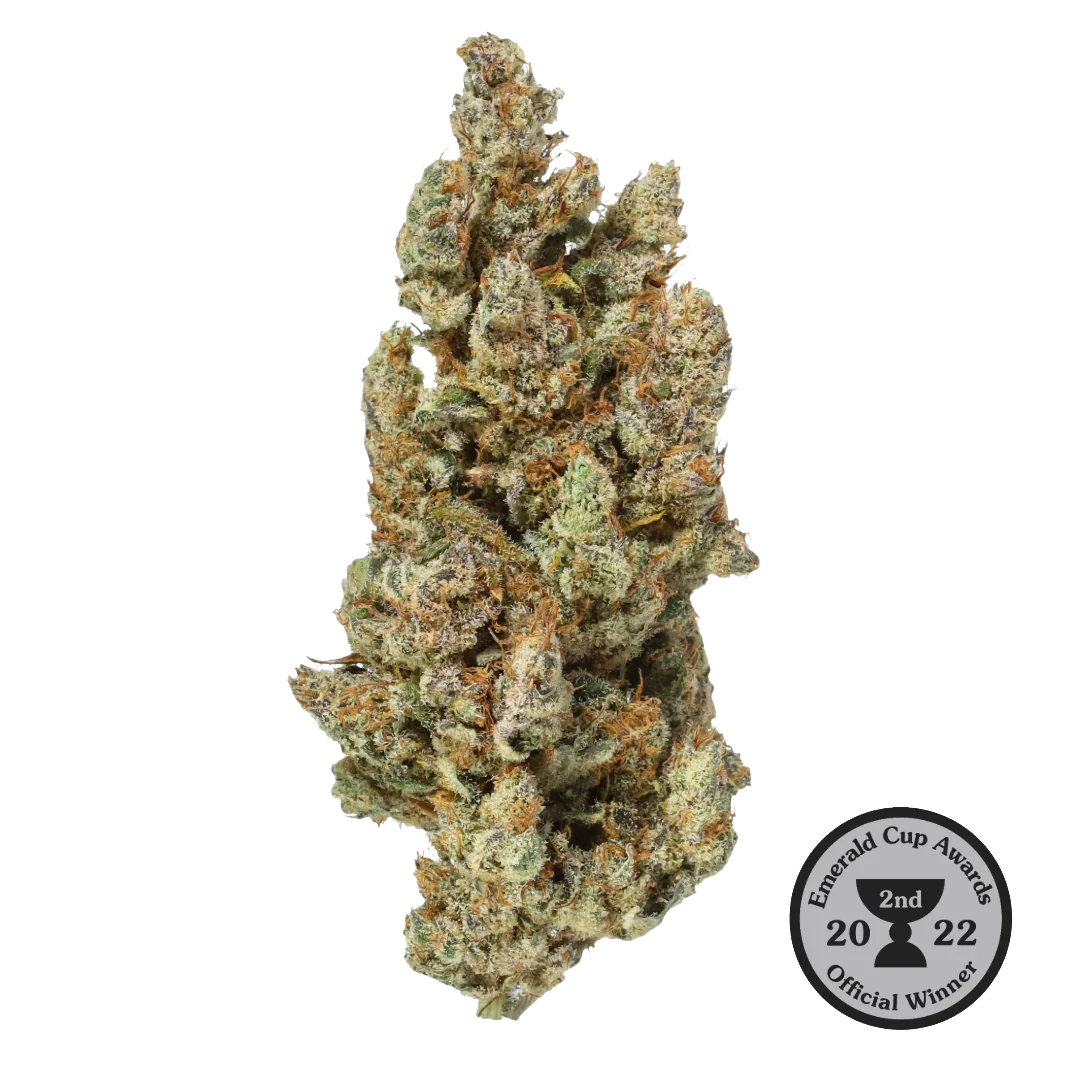
Since the 2018 Farm Bill, hemp has been defined as cannabis with no more than 0.3 percent delta-9 THC on a dry weight basis. The key words were "delta-9." THCA, the acid that converts to delta-9 THC when you heat it, wasn't part of the federal definition. That's the space the entire THCA flower market grew up in: flower that was legal hemp on paper and potent when lit.
In November 2025, Congress changed the definition. The new law redefines hemp using "total tetrahydrocannabinols," explicitly including THCA. In practice, labs calculate total THC the way the USDA has long required for pre-harvest testing: delta-9 THC plus THCA multiplied by 0.877, because THCA loses mass when it converts. If that number comes in above 0.3 percent, the plant material isn't federally hemp anymore.
Run the math on a typical THCA flower testing 20 percent THCA and you get a total THC over 17 percent. There is no version of that flower that passes the new test. That's why this change matters more than any state rule before it.
When it actually happens
Congress gave the industry a year to adapt, then a little more. As it stands, the total THC standard takes effect on December 11, 2026. A separate set of restrictions aimed at synthetic cannabinoids, the ones not naturally produced by the cannabis plant, arrives earlier, on November 12, 2026. Bills exist in Congress to delay the change or raise the limit to 1 percent, the level Switzerland uses, but as of this writing none has passed, and the serious operators are planning around the December date rather than betting on rescue.
Erich, the grower behind Flow Gardens, puts it plainly: "I'm definitely taking the stance to prepare for the worst and hope for the best." He's part of a group of hemp farmers lobbying in Washington for the 1 percent limit. "If they can do that, then that opens up our market. But it's still up in the air. It's a guessing game at this point."
Why compliant CBD flower is genuinely hard to grow
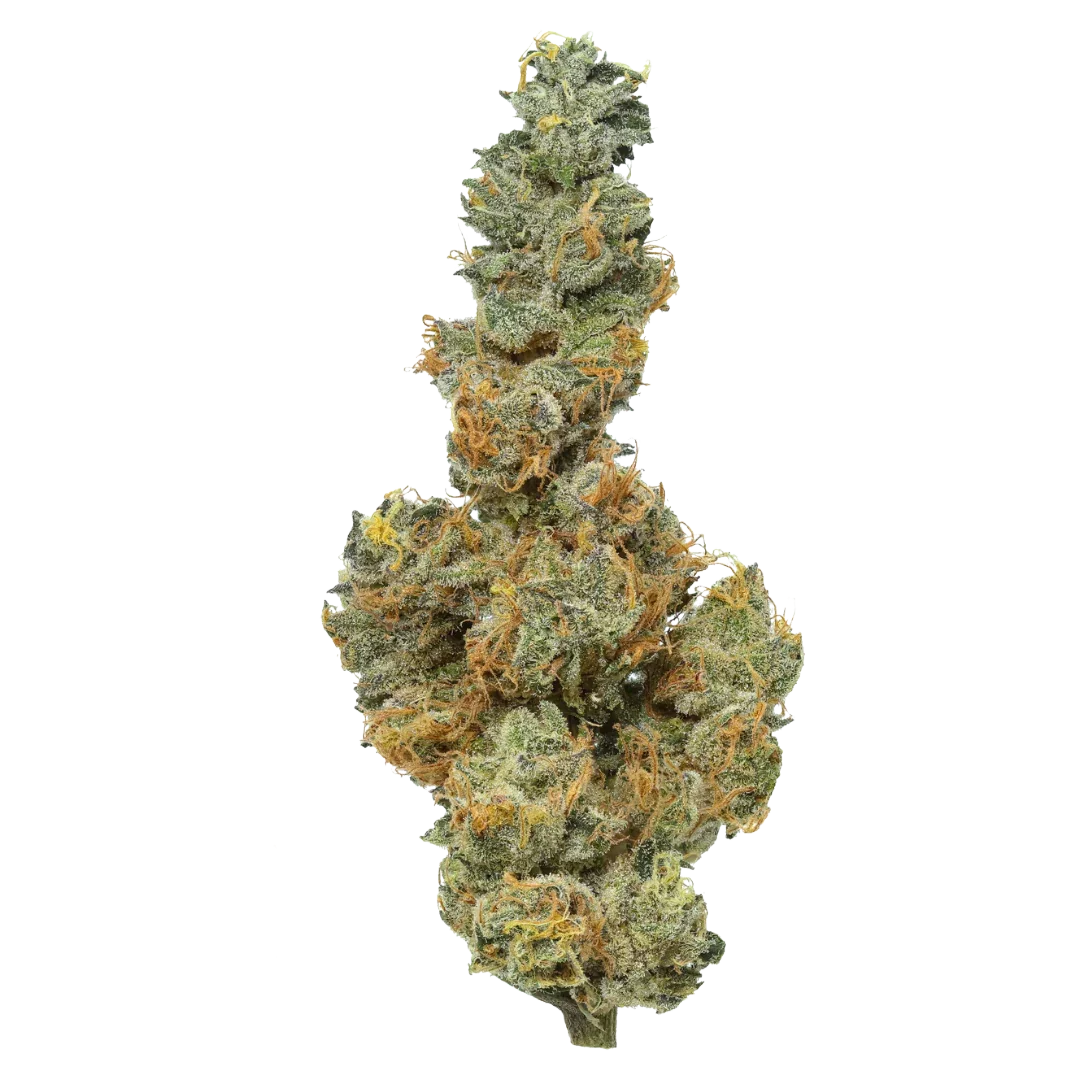
Here's the part almost nobody outside cultivation understands. You might assume CBD-dominant hemp easily passes a total THC test. It doesn't.
CBD-rich plants naturally produce some THCA alongside their CBD. Under the old delta-9 rule, that didn't matter. Under total THC, it does. "With CBD, it's nearly impossible," Erich says of finding plants under the line. "They all end up point five, point six, seven, eight, nine." Above the limit, in other words, even though nobody would ever get high on them.
Getting under 0.3 total THC while keeping quality means breeding for it deliberately. At Flow Gardens that work started long before the law passed:
Leaf testing before flower. Every phenohunt now includes sending off leaf samples that reveal a plant's cannabinoid genetics early. "We can be one step ahead and kinda cull these out, they're gonna be too hot."
Breeding low to low. Crossing the rare low-THC expressions with each other to push the numbers down generation by generation. "It's pretty much reverse engineering what people are doing in the marijuana industry. They're going for the highest THC. We're trying to get the lowest."
Results, not promises. As of this fall, the program has produced compliant keepers, with more seedlings in test. It's slow, unglamorous work. It's also the only honest way through.
Future-proof flower
Two categories of flower are built for the new standard.
Type 3, CBD-dominant flower, is the heart of the Flow Gardens lineup and the focus of the breeding program described above. Shop Type 3 CBD flower here.
Type 4, CBG-dominant flower, has a natural advantage: CBG-rich genetics produce very little THC to begin with, so staying under 0.3 total is far more achievable. "CBG is always gonna stay under point three," as Erich puts it. Flow's newest CBG selections came out of a phenohunt this year. Shop Type 4 CBG flower here.
And every jar, before and after December, ships with a full certificate of analysis showing total THC calculated the modern way, so you can see exactly where your flower sits. Every batch is in our COA library.
What December means for growers who didn't prepare
We asked Erich the uncomfortable question: what happens to operations that aren't ready? His answer was short. "The people that aren't ready, it's not gonna be good."
The rule change will remove most of today's THCA products from the federal definition of hemp. Farms that built their whole catalog on the old math have a hard winter coming. Farms that spent the last two years breeding, testing and repositioning will keep shipping. The difference between the two isn't luck. It's the boring work of leaf samples and lab fees, done early.
Laws forced Flow Gardens to adapt before, and the response was to expand across state lines and breed forward rather than wait. "It's never been harder," Erich told us, "but I still love it and wake up every day super excited."
The short version
- From December 11, 2026, federal law measures hemp by total THC, which includes THCA
- Most THCA flower cannot meet that standard; CBD flower only meets it with deliberate breeding
- Flow Gardens has been selecting for sub-0.3 total THC genetics for years, with compliant keepers already found
- Type 3 and Type 4 flower are the future-proof core of the lineup
- Every batch ships with a COA showing total THC, so nothing here is taken on trust
Questions about a specific product's numbers? Every product page links its certificate of analysis, and we're happy to walk you through one.
